
The Controversy Behind Hillbilly Elegy: What Critics and Fans Get Wrong
Why This Best-Seller Divides Readers—and What That Says About Us

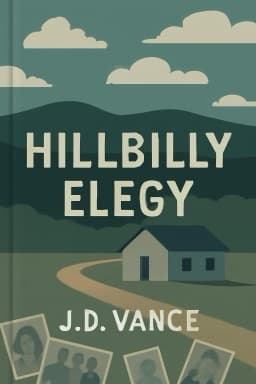
Few books have divided readers like ‘Hillbilly Elegy.’ When J.D. Vance’s memoir hit the bestseller lists, it was quickly embraced by some as a ‘must-read’ for understanding the white working class. But just as quickly, critics began to push back.
Supporters argue that Vance’s story is a rare, honest look at a community too often ignored by mainstream media. They see his journey from poverty to Yale as proof that personal responsibility and family support can break the cycle of hardship.
But detractors see something different. They accuse Vance of painting Appalachia with too broad a brush, reinforcing negative stereotypes about laziness and dysfunction. Some say the memoir ignores systemic issues—like job loss, healthcare, and education—in favor of blaming individuals for their own struggles. Others point to Vance’s later political career and public statements as evidence that his book is more about self-promotion than social insight.
The truth, as always, is more complicated. ‘Hillbilly Elegy’ is both a personal story and a political Rorschach test. It resonates with readers who see their own families in Vance’s struggles, but it also frustrates those who want a broader analysis of the forces that shape poverty. The controversy isn’t just about the book—it’s about the stories we tell ourselves about success, failure, and who is to blame when the American Dream slips away.
Ultimately, the debate over ‘Hillbilly Elegy’ is a sign of just how fraught conversations about class and culture remain in America. The book’s enduring popularity—and the fierce arguments it inspires—show that these are issues we still haven’t figured out how to talk about honestly.
Want to explore more insights from this book?
Read the full book summary