
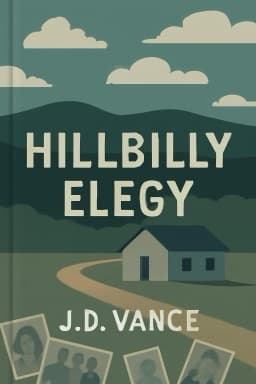
What Hillbilly Elegy Gets Right (And What It Gets Completely Wrong) About Appalachia
Separating Fact from Fiction in America’s Most Talked-About Memoir

J.D. Vance’s memoir is often treated as a definitive account of Appalachian life, but the reality is far more complex. On the one hand, ‘Hillbilly Elegy’ shines a necessary light on issues like addiction, economic decline, and family instability—problems that are real and pressing across much of the region. Vance’s depiction of generational trauma, the power of family ties, and the struggle to escape poverty resonates with many who have lived similar stories.
But critics argue that the memoir offers only a partial picture. Appalachia is not a monolith, and its people are far more diverse than Vance’s narrative suggests. The region is home to vibrant communities, rich cultural traditions, and a long history of activism and resilience. By focusing so heavily on dysfunction, some say, Vance risks reinforcing harmful stereotypes and ignoring the strengths that have helped Appalachian communities survive and adapt.
Research shows that many of the challenges Vance describes—job loss, addiction, lack of opportunity—are the result of broader economic and political forces, not just personal failings. While individual stories matter, they must be placed in context. The real story of Appalachia is one of both hardship and hope, of struggle and solidarity.
By engaging with both the strengths and the shortcomings of ‘Hillbilly Elegy,’ readers can develop a more balanced view of the region—and a deeper appreciation for the resilience and diversity of its people.
Want to explore more insights from this book?
Read the full book summary