
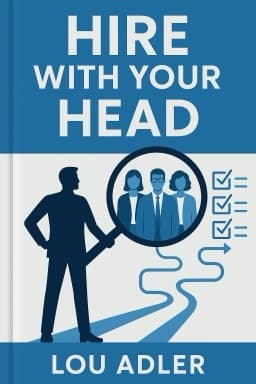
Stop Wasting Time: How Performance Profiles Revolutionize Job Descriptions
Transform your hiring by defining jobs through results, not checklists.

Have you ever wondered why so many job postings attract unqualified applicants or fail to excite top talent? The answer lies in how the job is described. Traditional descriptions list qualifications and skills but rarely explain what the person is actually expected to accomplish.
A performance profile outlines six to eight measurable objectives that define what the new hire must achieve. For instance, instead of requiring 'strong project management skills,' the profile might specify 'deliver three major projects on time and under budget in the first year.' This clarity helps candidates self-select and allows hiring managers to evaluate based on actual performance potential.
Companies that have adopted this method report attracting candidates from unexpected backgrounds who bring fresh perspectives and excel because they understand the role's goals. This approach also supports diversity and legal compliance by focusing on ability rather than credentials.
One example involved a marketing role rewritten to emphasize launching a new product line and increasing market share. Candidates who lacked traditional industry experience but had proven results in related fields were hired and succeeded spectacularly.
Performance profiles also reduce turnover by setting clear expectations. New hires know exactly what success looks like and can prioritize their efforts. Managers can provide targeted coaching and measure progress objectively.
Creating a performance profile requires collaboration between hiring managers and HR, focusing on outcomes, challenges, and team dynamics.
Want to explore more insights from this book?
Read the full book summary