
What the World Learned from Hiroshima: Lessons in Compassion, Ethics, and Peace
Explore how a single event reshaped global attitudes toward war, ethics, and the value of human life.

Explore how a single event reshaped global attitudes toward war, ethics, and the value of human life.
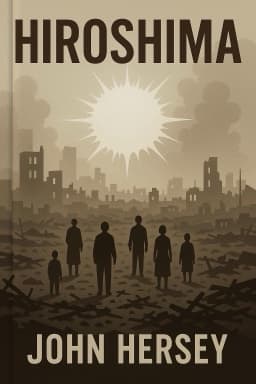
The detonation of the atomic bomb over Hiroshima was a watershed moment in human history. It marked not just the end of World War II, but the beginning of a new era—one in which humanity was forced to confront the terrifying power of its own inventions. John Hersey’s ‘Hiroshima’ did more than document the physical destruction; it challenged the world to reckon with the ethical and moral implications of nuclear warfare. Through the personal stories of survivors, Hersey raised questions that continue to reverberate in classrooms, policy debates, and peace movements around the globe.
At the heart of the book are dilemmas that transcend time and place: Is there ever justification for such immense suffering? How do societies remember and learn from tragedy? Survivors, known as hibakusha, faced not only physical and emotional scars but also social stigma and discrimination. Many were shunned due to fears of radiation, struggling to find jobs or marry. Yet, rather than retreat into silence, countless survivors became activists, sharing their stories to educate others and advocate for nuclear disarmament. Their testimony has influenced international treaties and inspired generations to work for peace.
Hiroshima’s transformation into a city of peace is a testament to the resilience of its people. Annual ceremonies, peace museums, and educational programs ensure that the lessons of the past are not forgotten. The folding of paper cranes, inspired by the story of Sadako Sasaki, has become a global symbol of hope and remembrance. Through these acts, the city has redefined itself—not as a site of tragedy, but as a beacon for compassion and reconciliation.
The ethical questions raised by Hiroshima remain urgent today. As new technologies emerge and old conflicts persist, the need for empathy, reflection, and responsible action grows ever more pressing. Hersey’s work reminds us that peace is not merely the absence of war, but the presence of justice, understanding, and shared humanity. By listening to the voices of survivors and honoring their experiences, we can build a world where compassion guides our choices, and where the tragedies of the past serve as lessons for a better future.
For further reading on Hiroshima’s ethical legacy and its impact on global peace movements, see resources from The National WWII Museum and Asia Lenae’s writing lessons. 2 4
Want to explore more insights from this book?
Read the full book summary