
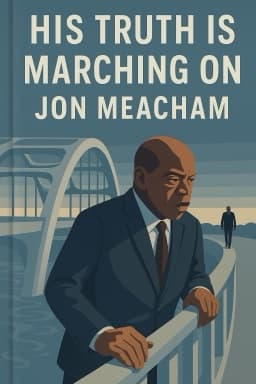
From Preaching to Politics: The Remarkable Evolution of John Lewis
Tracing the path from a young preacher to a powerful voice in the U.S. Congress.

Early Roots in Faith and Activism
John Lewis’s journey began in a small Alabama farm, where his mother’s faith and his early experiences with racial injustice shaped his character. Preaching to chickens was a humble start, but it symbolized a deep sense of responsibility and compassion. These early lessons in faith and justice propelled him toward seminary education and nonviolent activism.
Leadership in the Civil Rights Movement
Lewis emerged as a leader in the Nashville sit-ins and the Selma marches, demonstrating courage and discipline. His injuries and sacrifices became emblematic of the movement’s struggle and hope. These experiences forged his commitment to nonviolence and social justice.
Transition to Congress and Legislative Advocacy
Serving over 30 years in the U.S. House of Representatives, Lewis carried the movement’s ideals into national policy. He championed voting rights, civil liberties, and ethical governance. Despite political challenges, he remained a moral beacon and a bridge between generations.
Legacy of Hope and Persistence
Lewis’s final public acts, including his last walk across the Edmund Pettus Bridge, reaffirmed his lifelong dedication to justice. His message of hope, unity, and perseverance continues to inspire activists and politicians alike.
John Lewis’s life exemplifies how faith, courage, and moral leadership can transform society. His evolution from preacher to politician offers lessons in integrity and the enduring power of activism.
Want to explore more insights from this book?
Read the full book summary