
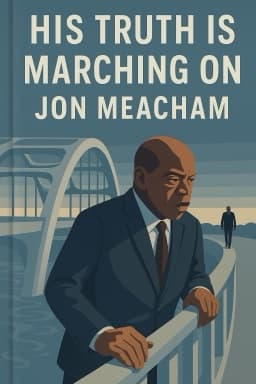
Why John Lewis’s Story is More Relevant Than Ever in Today’s Fight for Justice
How the legacy of a civil rights icon guides contemporary struggles for equality and democracy.

The Enduring Power of Nonviolence
In an era marked by political polarization and social unrest, John Lewis’s commitment to nonviolent resistance offers a beacon of hope. His belief that love and discipline could overcome hatred remains a powerful strategy for effecting change. Contemporary movements for racial justice and voting rights draw inspiration from his example, emphasizing peaceful protest and moral leadership.
Faith and Moral Clarity in Turbulent Times
Lewis’s integration of faith into activism reminds us that justice is not only a political goal but a spiritual imperative. Forgiveness and compassion are radical acts that challenge cycles of division and violence. In a diverse society, balancing conviction with inclusivity is essential for building broad coalitions.
Challenges to Voting Rights Then and Now
Despite historic gains, voting rights protections face renewed threats through restrictive laws and policies. Lewis’s lifelong advocacy underscores the need for vigilance and activism to safeguard democracy. His final walk across the Edmund Pettus Bridge symbolized the ongoing nature of this struggle.
Intergenerational Leadership and Movement Building
Lewis served as a bridge between generations, inspiring young activists to carry forward the fight for justice. Today’s movements benefit from this legacy of mentorship and continuity, emphasizing that progress requires sustained effort across time.
Global Inspiration and the Universal Quest for Justice
The impact of Lewis’s life extends beyond American borders, inspiring human rights advocates worldwide. His story exemplifies how individual courage and moral conviction can influence global movements for freedom and equality.
In reflecting on John Lewis’s legacy, contemporary activists find both a guide and a challenge: to remain hopeful, to act courageously, and to never give up the march toward justice.
Want to explore more insights from this book?
Read the full book summary