
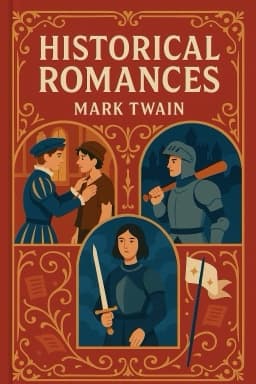
5 Life Lessons from Mark Twain’s Historical Novels That Still Matter Today
Discover how Mark Twain’s timeless tales of swapped identities, satire, and heroism can guide your modern journey.

Discover how Mark Twain’s timeless tales of swapped identities, satire, and heroism can guide your modern journey.
Mark Twain’s historical romances are a treasure trove of wisdom, adventure, and emotional depth. While many know him for his wit and humor, Twain’s forays into history—particularly in The Prince and the Pauper, A Connecticut Yankee in King Arthur’s Court, and Personal Recollections of Joan of Arc—offer profound lessons that transcend their settings. Let’s dive into five key takeaways that can transform the way you see your life and the world around you.
1. Empathy Transforms Us All
In The Prince and the Pauper, two boys—one a prince, the other a pauper—swap lives, experiencing firsthand the joys and agonies of each other’s worlds. Twain uses this premise to show that empathy is not just an emotion, but an act that can change hearts, policies, and societies. When you truly see through another’s eyes, you become more compassionate and wise.
2. Question Tradition—But Don’t Forget Compassion
Twain’s biting satire in A Connecticut Yankee in King Arthur’s Court skewers the absurdities of blind tradition and unthinking loyalty. Yet, he doesn’t advocate for destruction—he shows that real progress comes from understanding, patience, and a willingness to blend new ideas with respect for the past. Whether you’re challenging outdated office policies or family customs, remember that change sticks best when it’s rooted in empathy and kindness.
3. Mercy Is the Mightiest Power
Time and again, Twain’s heroes are called to judge, to punish, to wield power. But the true test of leadership, he shows, is mercy. The greatest kings and queens are those who listen, forgive, and strive to heal rather than hurt. In a world that often prizes strength and dominance, Twain reminds us that gentleness is the true mark of greatness.
4. Everyday Courage Is Heroic
While Joan of Arc’s story is filled with grand battles and divine voices, Twain’s portrayal is deeply human. She doubts, she fears, she perseveres. Heroism, he suggests, is not about never being afraid—it’s about acting in spite of fear, whether you’re leading armies or standing up for a friend.
5. Friendship and Loyalty Endure
From the camaraderie around a campfire to the bonds formed in adversity, Twain’s novels celebrate the healing power of friendship. These relationships, often bridging gaps of class, background, and belief, are what sustain his characters through their hardest trials. In a divided world, the lesson is clear: loyalty and trust are the greatest treasures.
Conclusion: Your Story Continues
Twain’s historical novels are more than escapist adventures—they are blueprints for living with courage, empathy, and hope. As you turn the last page, remember: the lessons you’ve learned are seeds for your own journey. Carry them forward, and let your life become a story worth retelling.
Want to explore more insights from this book?
Read the full book summary