
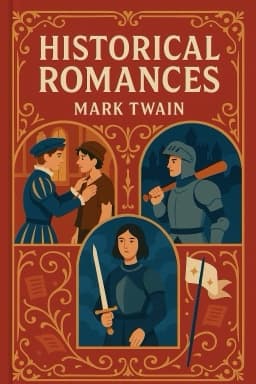
Joan of Arc: Twain’s Unsung Masterpiece of Courage and Faith
Why Mark Twain’s ‘Personal Recollections of Joan of Arc’ is a beacon for anyone facing impossible odds.

Why Mark Twain’s ‘Personal Recollections of Joan of Arc’ is a beacon for anyone facing impossible odds.
Mark Twain is best known for his humor, but his novel about Joan of Arc is a work of reverence and awe. Twain called it his best book, and it’s easy to see why. Through meticulous research and heartfelt storytelling, he brings to life the journey of a peasant girl who became a saint and a warrior. Joan’s story is not just about miracles and battles—it’s about the everyday courage to do what’s right, even when it’s terrifying.
Twain’s Joan is vulnerable, compassionate, and fiercely determined. She doubts, she suffers, and yet she persists, inspiring those around her to believe in something greater. The novel’s greatest strength is its humanity: Joan is not a distant icon, but a living, breathing person whose struggles mirror our own.
In a time when women had little power, Joan’s leadership and faith shook the foundations of kingdoms. Twain’s portrayal, grounded in historical trial records, highlights not only her victories but also her doubts and sacrifices. Today, Joan’s story speaks to anyone who has faced rejection, fear, or overwhelming odds. Her legacy is a reminder that true heroism is found not in perfection, but in persistence and integrity.
For readers seeking inspiration, Personal Recollections of Joan of Arc is a must-read—a testament to the power of faith, the importance of standing up for what you believe, and the enduring strength of the human spirit.
Want to explore more insights from this book?
Read the full book summary