
Inside the Secret World of Music’s Hidden Power Brokers: What They Don’t Want You to Know
Unveiling the shadowy forces that shaped the hits you love and the industry behind the scenes.

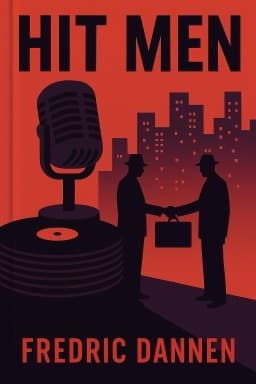
When you hear your favorite song on the radio, have you ever wondered who decides what gets played and why? The story behind the hits is far more complex and shadowy than most realize. In the 1980s, a clandestine network of independent promoters—often called the "Network"—held the keys to the kingdom of radio airplay. These promoters operated like a cartel, dividing the country into territories and demanding millions of dollars from record companies to push songs onto the airwaves. This system was the evolved form of payola, a practice officially outlawed decades earlier but very much alive in a new guise.
Behind the scenes, power struggles between executives shaped the industry’s direction. Walter Yetnikoff, the flamboyant and loud president of CBS Records, was known for his late arrivals and fiery temper, often clashing with the more reserved and disciplined deputy president, Dick Asher. Their battles were not just personal but emblematic of the broader tensions between creativity and corporate control. Meanwhile, Clive Davis emerged as a visionary who embraced rock and roll, steering CBS away from its classical roots and into the mainstream pop culture zeitgeist.
At the darker end of the spectrum stood Morris Levy, a publisher with deep ties to the Genovese crime family. Levy’s empire of music publishing rights, including classics like "Lullaby of Birdland," was built on a foundation of intimidation, violence, and corruption. His story reveals how organized crime and the music business were intertwined, influencing everything from payola to artist management.
The industry’s evolution continued with the rise of multinational corporations like Sony and PolyGram, whose acquisitions consolidated power and expanded music’s global reach. Yet, technological advances like CDs and digital audio tapes introduced new challenges, with some executives resisting change to protect traditional revenue streams. Meanwhile, artists and their managers navigated a labyrinth of legal battles over royalties and creative control, highlighting the human side of this high-stakes business.
Today, the legacy of these practices persists. Payola-like tactics remain embedded in promotion strategies, even as digital platforms empower artists with unprecedented control over their work. The music industry’s past—filled with ambition, corruption, innovation, and resilience—continues to shape its future, reminding us that behind every song is a story worth telling.
Understanding these hidden dynamics not only enriches our appreciation for music but also invites us to question the forces that shape cultural expression in a commercial world. As we peel back the layers, the music industry reveals itself as a fascinating microcosm of human ambition, creativity, and the eternal struggle for power.
For those intrigued by these revelations, the next blogs will dive deeper into specific chapters of this story, exploring the personalities, scandals, and innovations that defined an era and continue to resonate today.
Sources: [[0]](#__0), [[1]](#__1), [[2]](#__2)
Want to explore more insights from this book?
Read the full book summary