
Dataism and the Death of Humanism: Are Algorithms Taking Over?
How the rise of data-driven belief systems is reshaping human identity and autonomy.

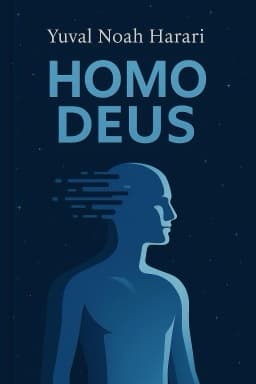
As we hurtle further into the age of big data and artificial intelligence, a new faith is emerging — Dataism. In Homo Deus, Harari describes Dataism as a belief system that places the free flow of information above all else, viewing life itself as a series of data processing events.
Dataism challenges the core tenets of humanism, which centers on individual consciousness, dignity, and experience. Instead, it regards algorithms and data flows as the ultimate arbiters of truth and value. This shift is already evident in how algorithms influence financial markets, medical diagnoses, and even social interactions.
While Dataism promises greater efficiency and insight, it also threatens privacy, autonomy, and the meaning we derive from subjective experience. If algorithms know us better than we know ourselves, who is truly in control? Harari warns that surrendering decision-making to machines risks eroding human agency and reducing us to mere data points.
Yet, Dataism also offers opportunities for unprecedented cooperation and understanding, transcending cultural and ideological boundaries through shared information networks.
This blog delves into the rise of Dataism, its philosophical implications, and what it means for the future of human society.
Sources: The Guardian, Bill Gates Notes, Medium, LitCritPop 1 2 3 4
Want to explore more insights from this book?
Read the full book summary