
The Anthropocene and Our Planet: Humanity’s Double-Edged Legacy
How humans transformed Earth and what it means for our future survival.

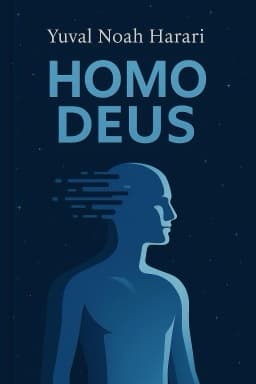
We live in a new geological epoch — the Anthropocene — where human activity has become the dominant force shaping Earth’s ecosystems. In Homo Deus, Harari highlights how this transformation is both awe-inspiring and alarming.
Mass extinction rates have surged, with species disappearing hundreds of times faster than natural background rates. Domestication has altered animal populations, often at the expense of wild biodiversity. Climate change, driven by fossil fuel consumption and industrial activity, threatens global stability.
These changes challenge us to rethink our relationship with the planet. Stewardship and sustainability are no longer optional but essential for survival. Harari urges us to consider the ethical implications of our power and to embrace responsibility for the world we shape.
Understanding the Anthropocene helps contextualize the technological and social revolutions that define Homo Deus, reminding us that our future is intertwined with the health of our planet.
This blog explores humanity’s ecological legacy and the paths forward.
Sources: The Guardian, Bill Gates Notes, Medium, LitCritPop 1 2 3 4
Want to explore more insights from this book?
Read the full book summary