
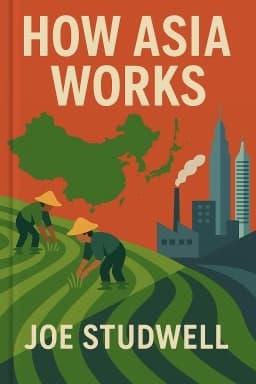
Export Discipline: The Hidden Driver of Asia’s Manufacturing Boom
How tying subsidies to exports forced Asian firms to become global champions.

Manufacturing transformed East Asia from agrarian societies into industrial powerhouses. But this transformation didn’t happen by accident. Joe Studwell’s How Asia Works highlights the critical role of export discipline in shaping firm behavior and industrial success.
Governments in Japan, South Korea, Taiwan, and China provided subsidies and protection to nascent manufacturers—but with a catch. Firms had to meet export targets to retain support. This policy created intense pressure to innovate, improve quality, and reduce costs. Unlike import substitution policies that shield industries from competition, export discipline forced companies to compete on the global stage.
For example, South Korea’s steel industry initially benefited from government support but had to prove its competitiveness internationally. Firms that failed to meet export goals lost subsidies, encouraging continuous improvement and weeding out inefficiency.
Manufacturing also played to the strengths of developing countries by leveraging limited skills through machinery. Semi-skilled labor operated machines, enabling rapid industrialization without requiring a highly educated workforce upfront. This sector served as a bridge from low-skill agriculture to advanced knowledge industries.
Government agencies coordinated industrial policy by setting export targets, managing financial incentives, and ensuring firms did not become complacent. This orchestration was essential to maintain discipline and promote technological upgrading.
In contrast, many Southeast Asian countries failed to impose export discipline, leading to weak industrial sectors reliant on foreign investment and protected domestic markets. This vulnerability contributed to economic crises and stagnation.
Export discipline remains a powerful lesson for developing economies. It demonstrates that strategic government intervention, combined with global competition, can create manufacturing champions and drive sustained growth.
Sources: 5 Minute Book Summary, Shortform, Blinkist 1 2 3
Want to explore more insights from this book?
Read the full book summary