
From Rice Fields to Factories: The Social and Economic Journey of Asia’s Development
How millions transitioned from farming to manufacturing, reshaping societies and economies.

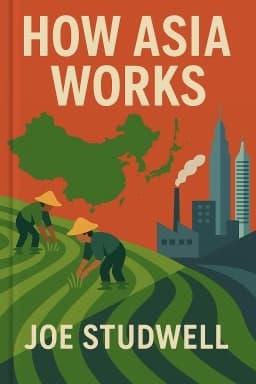
Behind the impressive statistics of Asia’s economic growth lies a profound social transformation. Millions of people moved from rural farms to urban factories, reshaping the continent’s societies and economies. Joe Studwell’s How Asia Works offers valuable insights into this complex transition.
As land reforms increased agricultural productivity, surplus labor emerged—workers who were no longer needed on the land. This demographic shift fueled the expansion of manufacturing sectors, providing the workforce necessary for industrialization.
However, this transition posed significant challenges. Migrant workers needed new skills and training, cities required expanded infrastructure, and governments had to manage social stability. Countries like South Korea invested heavily in vocational education and urban planning to facilitate smooth labor shifts.
Failure to manage these challenges led to slums, unemployment, and social unrest in some developing nations. Asia’s success stories demonstrate the importance of coordinated policies that balance economic growth with social welfare.
This journey from gardening to manufacturing is not just economic; it is deeply social and political, involving changes in family structures, gender roles, and community life.
Understanding this human dimension enriches our appreciation of Asia’s development and offers lessons for countries embarking on similar paths.
Sources: 5 Minute Book Summary, Shortform, Blinkist 1 2 3
Want to explore more insights from this book?
Read the full book summary