
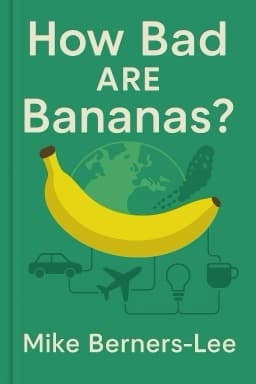
Cutting Carbon Without Losing Comfort: Practical Tips from 'How Bad Are Bananas?'
Smart, Cost-Effective Ways to Slash Your Carbon Footprint at Home and Beyond

Many people assume that cutting their carbon footprint requires drastic lifestyle changes or expensive upgrades. However, Mike Berners-Lee’s How Bad Are Bananas? reveals that some of the most effective carbon-saving actions are surprisingly simple and affordable.
One standout recommendation is attic insulation. Insulating your attic can reduce heat loss significantly, lowering energy bills and carbon emissions with a relatively short payback period. This measure is often more cost-effective than replacing windows or buying a new car.
Solar photovoltaic panels are another powerful tool. Although their manufacture involves embodied emissions, these are typically offset within a few years of clean energy production. After that, solar panels provide low-carbon electricity with minimal ongoing emissions. However, Berners-Lee cautions against small wind turbines, which often have poor carbon and financial paybacks compared to large-scale wind farms due to higher embodied emissions per unit energy produced.
Behavioral changes also matter. Turning off standby power, reducing waste, and mindful consumption add up to meaningful savings. Yet, it’s important to avoid the rebound effect, where efficiency gains lead to increased consumption that offsets carbon savings—for example, flying more because tickets become cheaper.
By focusing on high-impact, cost-effective actions and maintaining a balanced approach, individuals can reduce their carbon footprints without compromising comfort or convenience. The book provides a roadmap for making informed decisions that benefit both the environment and personal well-being.
For more detailed insights and practical advice, check out reviews at Want to explore more insights from this book?