
5 Alarming Signs Your Democracy Is at Risk – And What You Can Do About It
From Subtle Erosion to Overt Threats: Recognizing the Early Red Flags

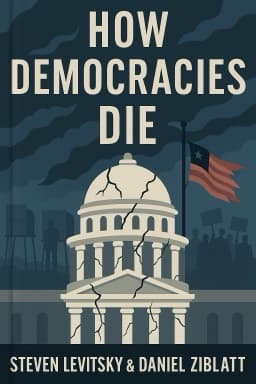
Democracy doesn’t usually die with a bang. More often, it fades with a whisper—one quiet compromise, one overlooked norm, one law changed in the name of 'security.' In their landmark book, How Democracies Die, Steven Levitsky and Daniel Ziblatt reveal the mechanisms that have undermined democracies from Venezuela to Hungary, and warn that no nation is immune—including the United States. The book’s chilling thesis is that the most dangerous threats to democracy come not from generals or tanks, but from elected leaders who slowly, legally, and even subtly dismantle the very system that brought them to power.
The first sign: leaders who reject the democratic rules of the game. This isn’t just about breaking laws, but about undermining the spirit of fair play—questioning the legitimacy of elections, or suggesting that only one side can truly represent 'the people.' When politicians begin to cast doubt on the basic institutions of democracy, it’s time to pay attention.
The second sign: denying the legitimacy of political opponents. When rivals are painted not as adversaries but as existential threats—traitors, criminals, or enemies of the state—polarization deepens. The public is primed to accept extraordinary measures in the name of survival, and the door opens to abuses of power.
The third sign: tolerating or encouraging violence. Whether it’s turning a blind eye to street thugs, or using coded language to incite supporters, the normalization of violence is a clear red flag. Democracies depend on peaceful competition; when violence becomes acceptable, the game changes.
The fourth sign: curtailing civil liberties—especially those of critics, the press, and the judiciary. Would-be authoritarians rarely abolish freedoms overnight. Instead, they chip away at them, one law or regulation at a time, often under the guise of fighting corruption or terrorism.
The fifth and final sign: subverting the independence of referees—judges, election officials, and watchdog agencies. By packing courts, firing independent prosecutors, or intimidating election officials, leaders can ensure that the rules are bent in their favor.
Levitsky and Ziblatt’s research shows that these warning signs are not just theoretical. They are drawn from the lived experiences of countries where democracy has failed, often with the acquiescence—or indifference—of the public. But the book also offers hope: democracies can be defended, and even revived, when citizens recognize the warning signs and act to uphold norms of mutual toleration and institutional forbearance. The ultimate lesson? Vigilance and engagement are every citizen’s responsibility. Don’t wait for the final alarm—by then, it may be too late. 1 2
Want to explore more insights from this book?
Read the full book summary