
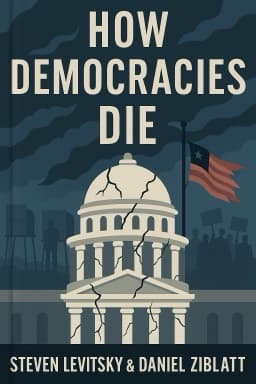
Democracy’s Hidden Shield: Why Unwritten Norms Matter More Than Laws
The Invisible Guardrails Keeping Democracy on Track
What keeps democracy alive isn’t just the constitution—it’s the invisible code of conduct that politicians and citizens share. Levitsky and Ziblatt call these unwritten rules the 'guardrails of democracy.' Mutual toleration—the willingness to accept political opponents as legitimate—and forbearance—the self-restraint not to use every ounce of legal power—are what keep the system stable. When these norms are strong, democracy flourishes. When they break down, polarization deepens and the system teeters on the edge.
Why are these norms so fragile? Because they depend on trust—a belief that today’s losers will have a fair shot tomorrow. As parties demonize each other and play constitutional hardball, the temptation grows to treat every election as a battle for survival. The result is a dangerous cycle: each side justifies breaking norms to stop the other, and the system spirals downward.
Restoring these norms requires more than legal reform. It demands leadership, civic education, and a public willing to reward restraint over revenge. The future of democracy depends not just on what’s written in the law books, but on what’s practiced in the halls of power—and in the hearts of citizens. 1 2
Want to explore more insights from this book?
Read the full book summary