
Polarization: The Silent Killer of Democracy (And How to Heal the Divide)
Why 'Us vs. Them' Thinking Is Democracy’s Greatest Threat

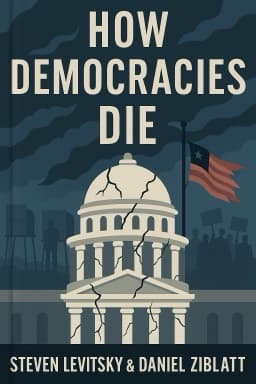
It’s not always the strongman or the coup that kills a democracy. Sometimes, it’s the slow, invisible drift of society into mutually hostile camps. Levitsky and Ziblatt warn that when polarization aligns with identity—race, religion, region—democracy becomes a zero-sum game. The unwritten rules of mutual toleration and forbearance break down, and every election feels like a fight for survival.
But how does polarization take root? It starts with leaders who demonize opponents, media that amplifies division, and citizens who stop listening to each other. History is full of examples—America before the Civil War, Europe in the 1930s—where polarization made compromise impossible and paved the way for democratic collapse.
Yet, healing is possible. Dialogue initiatives, civic education, and cross-party alliances have helped societies recover from even the deepest divides. The first step is recognizing the humanity in those we disagree with. The future of democracy depends on our ability to build bridges, not walls. 3 4
Want to explore more insights from this book?
Read the full book summary