
Become the Architect of Your Feelings: Practical Tools for Emotional Self-Transformation
How to use the science of emotion to heal, grow, and thrive.

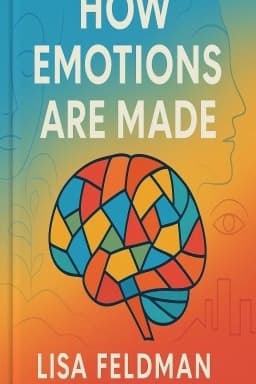
What if you could change your feelings—not by ignoring them, but by understanding how they’re made? The latest science, championed by Lisa Feldman Barrett, shows you can. Emotions are not fixed reactions; they are crafted by your brain, moment by moment, using your body’s signals, your memories, and the concepts you know.
Start by expanding your emotion vocabulary. Learn new words for what you feel—like 'wistful,' 'exhilarated,' or 'resentful.' The more words you know, the more options you have for responding. Practice self-awareness by tuning in to your body’s signals and asking yourself: what am I really feeling? Is this sensation about the world, or just my internal state?
Reframe challenging situations. Instead of seeing a setback as failure, view it as a chance to learn. Practice gratitude and self-compassion. Studies show that even small shifts in language or perspective can lead to big changes in how you feel and how you recover from stress.
Remember, emotional self-care is not about suppressing feelings—it’s about understanding and shaping them. By becoming the architect of your emotional life, you can heal, grow, and thrive—no matter what challenges come your way.
Want to explore more insights from this book?
Read the full book summary