
How to Build Emotional Intelligence: Lessons from the New Science of Feelings
Practical strategies for mastering your emotions—based on cutting-edge research.

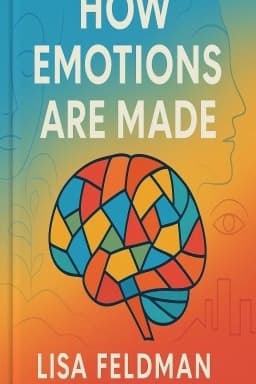
Do you ever feel overwhelmed by your emotions, or struggle to explain what you’re feeling? You’re not alone. But what if you could become more skilled at understanding, labeling, and managing your feelings? Neuroscientist Lisa Feldman Barrett’s research shows that emotional intelligence is not a fixed trait, but a set of skills anyone can learn.
At the heart of emotional intelligence is emotional granularity: the ability to distinguish and label your emotions with precision. People with high granularity are better at coping with stress, have healthier relationships, and are less likely to suffer from depression or anxiety. The key is language—learning new emotion words and practicing using them in daily life.
Start by noticing your body’s signals. Is your heart racing? Are your muscles tense? Instead of labeling everything as 'stressed' or 'upset,' try to be more specific: are you frustrated, disappointed, anxious, or excited? The more precise you are, the more options you have for responding.
Practice emotional reflection. At the end of each day, write down what you felt and why. Over time, you’ll build a richer vocabulary and a deeper understanding of your emotional life. Share your feelings with trusted friends or family, and encourage them to do the same. The more you talk about emotions, the easier it becomes to recognize and regulate them.
Research shows that emotional intelligence can be taught in schools, workplaces, and even therapy. Programs that teach children and adults to label and manage their emotions lead to better mental health, improved academic performance, and stronger social bonds.
Building emotional intelligence isn’t about suppressing feelings—it’s about understanding and working with them. With practice, you’ll become more resilient, adaptable, and compassionate—both toward yourself and others.
The science is clear: you have the power to shape your emotional life, one word and one moment at a time.
Want to explore more insights from this book?
Read the full book summary