
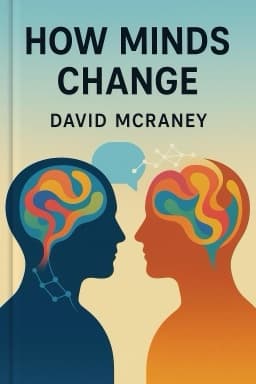
Persuasion Without Pressure: The Art and Ethics of Changing Minds
How to Inspire Lasting Change Without Coercion or Tricks

We all want to be heard, understood, and sometimes, to help others see things differently. But where is the line between persuasion and manipulation? David McRaney’s How Minds Change offers a roadmap for changing minds ethically—one that respects freedom, autonomy, and dignity.
True persuasion is not about overpowering someone with arguments, but inviting them to reflect. It starts with transparency: sharing your intentions openly, so the other person knows you aren’t hiding an agenda. This builds trust and lowers defenses. Next, ethical persuasion relies on self-persuasion—the idea that people change their own minds when they feel safe to explore new perspectives. Your role is to ask questions, listen deeply, and offer insights as gifts, not weapons.
Real-world examples abound: a parent reconnecting with an estranged child by expressing concern rather than judgment; a teacher helping a student question a harmful belief by encouraging curiosity. The process is slow, gentle, and often invisible—but the results last.
Ethical persuasion heals rather than harms. It transforms conversations into opportunities for growth, not battles to be won. By modeling honesty and respect, you create a ripple effect that can change families, workplaces, and communities.
In the final blog, we’ll see how these lessons can be woven into daily life—helping us all become better listeners, bridge-builders, and agents of hope.
Sources: How Minds Change by David McRaney; Next Big Idea Club; SoBrief summary
Want to explore more insights from this book?
Read the full book summary