
The Dress That Broke the Internet: What Viral Illusions Teach Us About Reality
How a Viral Photo Revealed the Hidden Workings of the Human Mind

In 2015, a simple photo of a dress sparked a global argument: was it black and blue, or white and gold? The debate was instant, passionate, and, for many, bewildering. How could millions of people look at the same picture and see something so different? The answer lies deep within the architecture of the human mind.
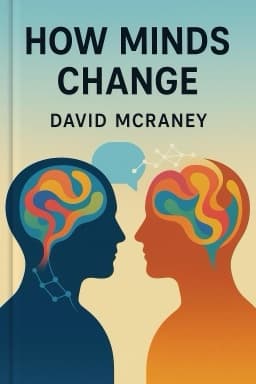
According to David McRaney’s How Minds Change, the dress phenomenon is a perfect illustration of how our brains construct reality. Perception is not a passive recording of the world, but an active process of interpretation. When faced with ambiguity, our minds draw on prior experiences—known as 'priors'—to fill in the gaps. The SURFPAD model explains that disagreement arises when people have different priors and face substantial uncertainty. In the case of the dress, some brains subtracted blue light, others yellow, leading to dramatically different perceptions.
This isn’t just about color. The same process shapes our beliefs about politics, religion, and even memories of childhood. When two people argue about what’s 'real,' they are often arguing from different internal realities built by their unique experiences.
Recognizing the subjective nature of perception can be liberating. Instead of seeing disagreement as a threat, we can approach it with curiosity and empathy. Understanding that others truly see the world differently invites us to listen, learn, and sometimes, gently nudge our own perspectives.
In the next blog, we’ll examine what happens when these individual realities collide—and how sudden, collective shifts can reshape entire societies.
Sources: How Minds Change by David McRaney; The Guardian; SoBrief summary
Want to explore more insights from this book?
Read the full book summary