
When Everything Changes Overnight: The Secret Life of Social Tipping Points
Why Societies Stay Stuck—Until Suddenly, They Don’t
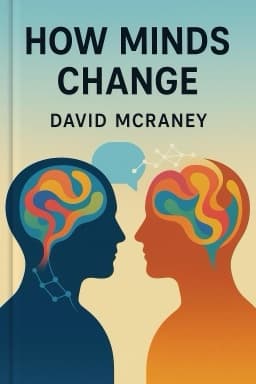
Society often feels stuck—entrenched in old arguments, resistant to new ideas. Yet, history is full of moments when everything changes at once. What causes these sudden shifts? David McRaney, in How Minds Change, explores the hidden patterns behind social tipping points.
For years, public opinion on issues like marriage equality or smoking bans barely budged. Then, almost overnight, the majority flipped. This isn’t magic—it’s the result of a slow, invisible buildup of contradictions and conversations. Certainty, it turns out, is an emotion—a feeling of confidence reinforced by social cues and group belonging. As more people quietly question old norms, cognitive dissonance grows. Eventually, the discomfort reaches a tipping point, and change cascades through society.
The same process happens within individuals. We may resist new ideas for years, but a series of small experiences—conversations, stories, personal reflections—can accumulate until suddenly, we see the world differently. These moments are unpredictable, but they are always possible.
Understanding tipping points gives us hope. Every act of empathy, every honest conversation, every story shared is a drop in the bucket—helping move individuals and societies toward transformation. The next time you feel stuck, remember: change may be closer than it seems.
Next, we’ll explore how to foster these moments ethically, ensuring that persuasion builds trust rather than resentment.
Sources: How Minds Change by David McRaney; Next Big Idea Club; The Guardian review
Want to explore more insights from this book?
Read the full book summary