
The Anti-Aging Diet: What to Eat (and Avoid) for a Longer, Healthier Life
From Blue Zones to your kitchen: The science-backed foods that can help you live better and longer.

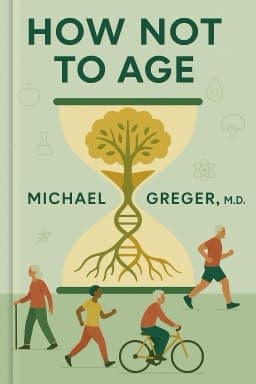
If you want to age well, start with your plate. In 'How Not to Age,' Dr. Michael Greger and leading researchers agree: the foundation of a long, vibrant life is a diet rich in whole, plant-based foods. From the Mediterranean coast to Okinawan villages, the world’s healthiest elders eat mostly plants, with plenty of vegetables, legumes, nuts, and whole grains.
The Foods That Add Years to Your Life
- Leafy Greens: Packed with vitamins, minerals, and antioxidants that protect bones, heart, and brain.
- Nuts: Just a handful daily reduces heart disease, cancer, and even respiratory illness risk.
- Berries: Rich in phytonutrients that slow brain aging and boost memory.
- Legumes and Whole Grains: Provide fiber, prebiotics, and steady energy.
- Healthy Fats: Olive oil, avocados, and seeds support heart and brain health.
Foods to Limit or Avoid
Processed meats, excess animal protein, added sugars, and ultra-processed foods accelerate aging by increasing inflammation, glycation, and chronic disease risk. Replace these with plant-based proteins, whole foods, and natural sweeteners.
Building Your Anti-Aging Plate
Make vegetables and greens the stars of every meal. Add beans or lentils for protein, a handful of nuts for healthy fats, and berries for dessert. Use herbs and spices liberally. Drink water, green tea, or coffee in moderation. Plan your meals around whole foods, and keep processed items as the rare exception.
Real-World Results: The Blue Zones Example
Communities in Blue Zones don’t count calories or chase fad diets. They eat with joy, in good company, and with gratitude. Their meals are simple, seasonal, and mostly plant-based. The results? Lower rates of disease, longer lives, and happier old age.
Practical Tips for Everyday Longevity
- Shop the perimeter of the grocery store for fresh produce.
- Batch cook beans, grains, and greens for easy meals.
- Snack on nuts and fruits instead of processed foods.
- Experiment with global cuisines for variety and flavor.
Eating for longevity isn’t about deprivation—it’s about abundance, color, and joy. Start today, and let every meal be a step toward a longer, more vibrant life.
Want to explore more insights from this book?
Read the full book summary