
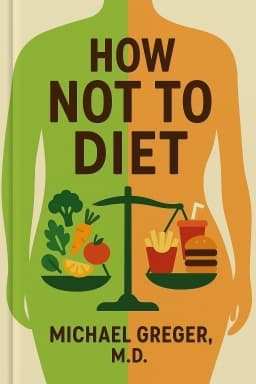
Eat More, Weigh Less? The Surprising Science Behind the Ideal Weight-Loss Diet
Why filling your plate with fiber-rich plants is your secret weapon against fat

Imagine a diet where you can eat large portions, feel full, and still lose weight. It sounds too good to be true, but science backs this up. The secret lies in fiber-rich, low calorie density foods that fill your stomach and slow digestion, making you feel satisfied longer. These foods also feed the beneficial bacteria in your gut, improving metabolism and reducing inflammation.
Fiber is a powerhouse nutrient that adds bulk without calories. For example, eating five cups of carrots takes time, fills you up, and your body absorbs only part of the calories due to plant cell walls. In contrast, drinking a sugary soda with the same calories floods your system quickly, triggering cravings for more.
Calorie density matters immensely. Foods like fruits, vegetables, legumes, and whole grains naturally have low calorie density, allowing you to eat satisfying amounts without excess calories. Processed foods, cheeses, and fried snacks are calorie bombs that promote overeating.
Chronic inflammation drives fat storage and many diseases. Diets rich in antioxidants and phytonutrients found in whole plant foods reduce this inflammation, supporting metabolic health and fat loss.
By focusing on these natural ingredients, you create a diet that not only helps you lose weight but also heals your body from the inside out. Next, we will explore how to build this diet practically and align it with your body’s natural rhythms.
References: PMC Advances in Obesity 2024; ScienceDaily Diet and Weight Loss 2025; WHO Nutrition Fact Sheets 1 4 2
Want to explore more insights from this book?
Read the full book summary