
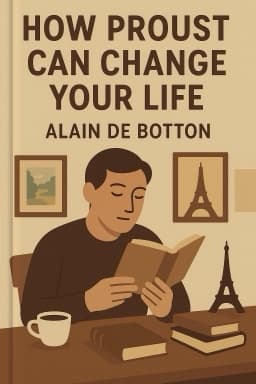
Love, Desire, and Jealousy: The Surprising Lessons from Proust’s Philosophy
Unpack the complex layers of love and desire, and how imagination keeps passion alive beyond physical presence.

Love is far more than physical possession; it is a rich tapestry woven from desire, memory, and imagination. Marcel Proust teaches us that what sustains love is not just being near someone, but the mental and emotional images we hold of them. These internal landscapes keep affection alive, especially during absence.
Longing and imagination deepen love. When apart, we fill the void with vivid memories and hopeful dreams, often intensifying feelings beyond what physical presence alone can achieve. This imaginative possession is a testament to love’s enduring power.
Yet love faces threats from habit and routine, which dull appreciation and passion. Here, jealousy plays a paradoxical role. Though painful, it injects urgency and focus, reminding us to cherish what might be lost. This emotional tension can revive fading desire and attention.
To nurture love, we must embrace its complexity, balancing tangible reality with imagination, certainty with longing. Conscious effort is essential to keep love vibrant and meaningful.
Proust’s insights invite us to see love not as static possession but as a dynamic, imaginative dance. Understanding this helps us cultivate deeper, more resilient relationships.
References: Claudia Merrill explores desire’s role in Proust’s philosophy. Elisa Gabbert discusses the emotional nuances of love and longing. Alain de Botton reflects on how imagination sustains passion. 3 2 4
Want to explore more insights from this book?
Read the full book summary