
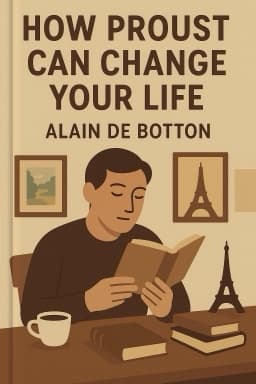
Why Reading Proust Can Change Your Life: The Transformative Power of Literature
Explore how engaging with Proust’s writing awakens hidden parts of yourself and inspires deeper understanding.

Books hold a unique magic—they reflect the hidden corners of our inner world. Marcel Proust believed that literature serves as an optical instrument, revealing aspects of ourselves that might otherwise remain unseen. When we read, we often discover emotions and thoughts we had not fully understood, expanding our self-awareness and empathy.
However, there is a subtle danger in idolizing authors. Treating them as infallible authorities can silence our own voice, turning reading into passive consumption rather than active engagement. True wisdom arises when we critically reflect on texts, questioning and integrating insights personally.
Consider how a novel might give language to feelings previously inexpressible. This process awakens us, inviting deeper thought and emotional resonance. Literature becomes a bridge connecting our social interactions with our private inner life.
By embracing active reading, we transform books from mere stories into catalysts for growth. This journey requires courage to challenge ideas and openness to new perspectives, ultimately enriching our understanding of ourselves and others.
Engaging with Proust’s writing is more than an intellectual exercise; it is a transformative experience that invites us to live more consciously and authentically. Let literature be your guide to a richer inner life.
References: Claudia Merrill’s blog discusses the reflective nature of literature. Elisa Gabbert highlights how reading can provide emotional insight, while Alain de Botton emphasizes the importance of active engagement with texts. 3 2 4
Want to explore more insights from this book?
Read the full book summary