
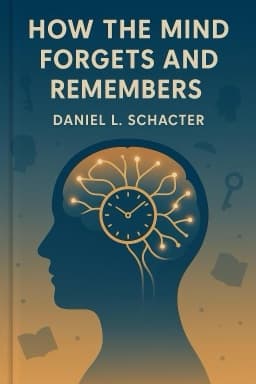
Top 5 Mind-Blowing Memory Facts You Didn’t Know (And How to Use Them)
Unlock powerful memory secrets backed by science to boost your brain power today!

Did you know that most forgetting happens within the first hour after learning? Or that your brain can trick you into remembering things that never happened? Memory is full of surprises, and understanding its quirks can help you improve your recall and protect your mind.
1. The Forgetting Curve: Memory retention drops steeply soon after learning, then levels off. Use spaced repetition to review information at increasing intervals to counteract this natural decline.
2. Attention is Key: Divided attention during learning leads to poor encoding. Minimize distractions and focus fully on new information to enhance memory formation.
3. Names Are Hard: Proper names lack rich semantic connections, making them harder to remember. Use mnemonic devices linking names to vivid images or associations.
4. Memory is Reconstructive: Every time you recall a memory, your brain rebuilds it, which can introduce errors. Be cautious about relying on memory alone, especially for important details.
5. Emotion Strengthens Memory: Emotional arousal activates the amygdala, enhancing memory persistence. Use emotional engagement to make learning more memorable, but be aware that traumatic memories can intrude involuntarily.
By applying these facts and strategies, you can harness your brain’s natural tendencies for better memory performance and mental resilience.
Unlock your brain’s potential by understanding and working with its natural design, not against it.
References: 1 , 3
Want to explore more insights from this book?
Read the full book summary