
Stop Networking, Start Giving: The Generosity Principle That Changes Everything
Why helping others is the fastest way to grow your influence and opportunities

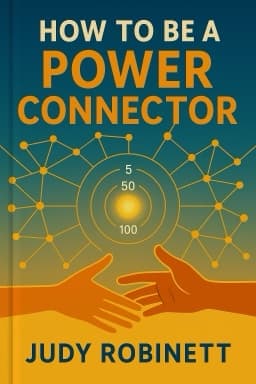
Forget the elevator pitch. The real secret to networking isn’t what you say—it’s what you give. Judy Robinett’s How to Be a Power Connector turns the old model of business networking upside down: generosity is your most powerful asset. In a world obsessed with getting ahead, those who consistently offer value—without expectation—build the deepest trust, the strongest reputations, and the fastest-growing networks.
The Science of Giving
Researchers have found that generosity triggers a “trust loop”: when you help someone, they’re more likely to help you—or someone else—in return. Over time, this creates a network of reciprocity that multiplies opportunities for all involved. Robinett’s stories are full of examples: a simple introduction that leads to a major deal, a timely recommendation that changes a career, or a thoughtful gesture that forges a lifelong alliance.
How to Add Value in Every Interaction
- Make introductions between people who can help each other
- Share relevant articles, resources, or insights
- Celebrate others’ successes publicly and privately
- Offer encouragement or feedback without strings attached
Common Pitfalls and How to Avoid Them
Not all giving is equal. Robinett warns against “giving to get”—helping others with the expectation of immediate return. True generosity is patient and unattached. Also, be mindful of “leeches” who take without giving. Protect your energy by focusing on high-character contacts and setting healthy boundaries.
The Ripple Effect of Generosity
When you make generosity your networking strategy, you become a magnet for opportunity. People remember how you made them feel, not just what you did. Over time, your network becomes a source of support, referrals, and serendipity—often in ways you never expected.
Start Today: Give, Don’t Just Get
Next time you meet someone, ask: “How can I help?” The answer may surprise you—and open doors you never knew existed.
Want to explore more insights from this book?
Read the full book summary