
Why Your Network Is Your Net Worth: The Power Connector Blueprint
How mastering the art of connection can transform your career and life

Imagine walking into a room where every handshake could change your life—not because you’re collecting business cards, but because you’re building a web of trust, generosity, and opportunity. Judy Robinett’s book, How to Be a Power Connector, is a masterclass in the art and science of networking for the 21st century. At its core is a simple but revolutionary idea: the right relationships are the most valuable asset you’ll ever own.
The Mindset Shift: From Transactional to Transformational
Most people approach networking as a numbers game—meet more people, land more deals. Robinett flips this on its head. She teaches that the quality of your relationships trumps quantity every time. Being a power connector starts with a mindset of abundance and generosity. Instead of asking, “What can I get?” ask, “How can I help?” This simple shift opens doors to trust and reciprocity that transactional thinkers never experience. Robinett’s own journey from shy social worker to global connector proves that anyone—introvert or extrovert—can master this skill with intention and practice.
The 5-50-100 Rule: A System for Sustainable Success
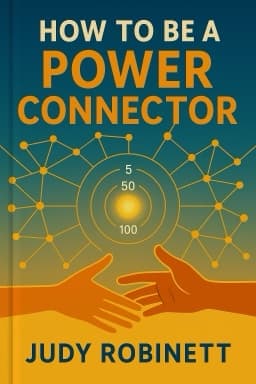
Robinett’s signature 5-50-100 Rule is as practical as it is profound. Organize your network into three circles: your Top 5 (closest confidants), Key 50 (allies you nurture monthly), and Vital 100 (broader network you keep in touch with quarterly). This system, rooted in brain science, prevents overwhelm and ensures that every relationship gets the right attention. No more lost business cards or forgotten LinkedIn connections—just a thriving garden of high-value relationships.
Nurturing Value: Why Giving Comes First
Robinett’s golden rule: Give before you get. Small acts of generosity—introductions, sharing insights, celebrating others—build trust and reputation over time. The magic is in the follow-up: regular check-ins, thank-you notes, and remembering important dates. These rituals aren’t just polite—they’re the foundation of lasting alliances. And when you connect people across your circles, you multiply value for everyone, including yourself.
Choosing Wisely: Allies Over Leeches
Not all relationships are created equal. Robinett warns of “leeches”—those who take without giving, or worse, undermine trust. The character of your contacts matters more than their credentials. Protect your circles by choosing allies who are authentic, generous, and reliable, and don’t hesitate to prune toxic connections. Your network’s integrity is your greatest currency.
Diversity and Ecosystem Thinking
The most powerful networks cross boundaries—industries, cultures, even continents. Robinett urges readers to step out of their comfort zones and build bridges across diverse ecosystems. Every goal, from funding to influence, has its own web of people and norms. Mapping these worlds and adding value first is the key to entering new circles and sparking innovation.
Systems, Rituals, and the Digital Age
Great connectors don’t rely on memory—they use systems. Whether it’s a CRM, a spreadsheet, or a color-coded planner, tracking interactions and setting reminders ensures no connection is neglected. In the digital age, platforms like LinkedIn amplify your reach, but the rules remain the same: engage authentically, share value, and follow up with purpose. Live events and online communities are both stages for serendipity—show up, listen, and plant seeds for the future.
Legacy: The Indispensable Connector
Ultimately, Robinett’s vision is bigger than business. True power connectors create opportunities not just for themselves, but for everyone they touch. The ripple effects of a well-timed introduction or a word of encouragement can last generations. The legacy you build is not in your resume, but in the doors you open and the trust you inspire.
How to Be a Power Connector is more than a networking book—it’s a roadmap to a life of impact, generosity, and fulfillment. Start today: organize your circles, give first, and watch your world transform.
Want to explore more insights from this book?
Read the full book summary