
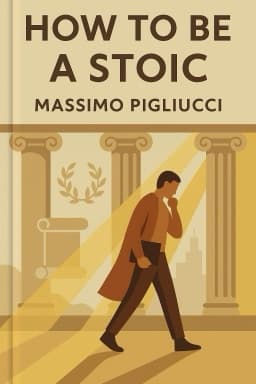
How to Be Unshakeable: The Stoic Guide to Resilience in a Chaotic World
Discover the ancient tools that make you stronger, calmer, and more adaptable—no matter what life throws your way.

Discover the ancient tools that make you stronger, calmer, and more adaptable—no matter what life throws your way.
In a world where news cycles spin faster than ever and uncertainty seems to be the only constant, resilience isn’t just a nice-to-have—it’s essential. The Stoics, those ancient philosophers who weathered wars, plagues, and political upheaval, developed a toolkit for resilience that is more relevant now than ever.
Central to Stoic resilience is the dichotomy of control: knowing what you can change, and letting go of what you can’t. Picture an archer focusing on their aim, but releasing the outcome to fate, or a ship’s captain steering through a storm, calm even as the waves crash.
Stoics practiced the 'view from above'—imagining themselves looking down on their troubles from a higher perspective, seeing problems shrink in the vastness of the universe. They also rehearsed adversity through negative visualization, preparing their minds for setbacks so that nothing could truly surprise or break them.
Modern research supports these practices: people who adopt a Stoic mindset recover faster from setbacks, experience less anxiety, and are more likely to persevere through challenges. From Olympic athletes to business leaders, many quietly use Stoic techniques to stay calm and focused under pressure.
Want to build your own resilience? Start by journaling each night about what went well and what you can improve. Practice negative visualization to prepare for challenges. And when adversity strikes, remember: you can’t control the wind, but you can adjust your sails. That’s the Stoic secret to becoming truly unshakeable.
Want to explore more insights from this book?
Read the full book summary