
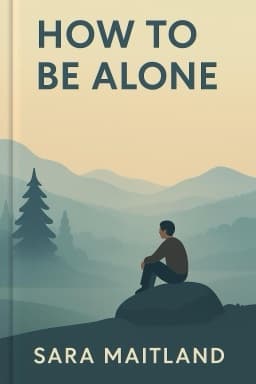
7 Surprising Ways Solitude Can Skyrocket Your Creativity and Happiness
Explore unexpected benefits of solitude that can boost your creative output and overall well-being.

Contrary to popular belief, solitude is not a void but a vibrant space ripe with opportunity. When embraced, solitude can unlock creativity, enhance happiness, and deepen self-understanding.
1. Solitary Walking: Walking alone reconnects you with your body and surroundings, providing mental clarity and inspiration. It’s a simple yet profound act of independence and personal integrity.
2. Engaging Solo Hobbies: Activities like reading, gardening, or listening to music enrich solitude, making it pleasurable and meaningful. These pursuits foster concentration and joy.
3. Reverie and Daydreaming: Allowing your mind to wander in solitude nurtures creativity and emotional processing. Techniques like Jung’s active imagination help safely explore inner worlds.
4. Connection with Nature: Solitude enhances sensory perception in natural settings, fostering symbolic understanding and moments of unity with the environment.
5. Spiritual Reflection: Many spiritual traditions honor solitude as a path to transcendence, inner stillness, and mystical insight.
6. Creative Focus: Without social distractions, solitude provides the mental space necessary for original ideas and artistic breakthroughs.
7. Personal Freedom: Being alone allows you to live authentically, governed by your values rather than external expectations.
Modern life challenges leisure time, often compressing it below historical levels due to work and maintenance demands. Intentional solitude becomes a precious resource for mental health and creativity.
By embracing these aspects of solitude, you can transform being alone from a feared experience into a joyful and enriching one.
For more insights into the psychological and spiritual benefits of solitude, see expert articles and research studies that explore how silence and solitude nurture creativity and well-being 1 , 2 , 3 .
Want to explore more insights from this book?
Read the full book summary