
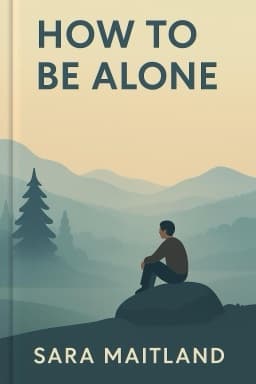
Unlocking the Hidden Power of Solitude: Why Being Alone Might Be Your Greatest Superpower
Discover how embracing solitude can transform your mental health, creativity, and personal growth.

In today’s hyper-connected society, solitude is often painted as a negative state—loneliness, isolation, or even a sign of social failure. However, this perspective overlooks solitude’s profound potential. Solitude is not simply being alone; it is the art of being alone well. It is a state where one can reconnect with the self, spark creativity, and find peace away from the noise of the world.
The paradox of solitude lies in its emotional complexity. While many dread being alone due to cultural stigma and fear, solitude is an achievement—an opportunity to luxuriate in one’s own presence. Nearly 30% of UK households are single-occupancy, reflecting a shift towards more frequent encounters with solitude, yet many people experience anxiety when disconnected from social contact, a phenomenon known as nomophobia.
Psychological research distinguishes solitude from loneliness, revealing that solitude can foster well-being, creativity, and self-understanding when chosen and embraced. Clinical phobias like autophobia underscore how real and intense fear of aloneness can be, but therapies such as Cognitive Behavioral Therapy (CBT) with gradual exposure offer effective paths to acceptance.
Engaging in solo activities—walking in nature, reading, gardening, or listening to music—transforms solitude from a feared state into a joyful experience. These activities enrich solitude with meaning, helping to associate being alone with pleasure rather than anxiety.
Solitude also opens the door to reverie and active imagination, tools for inner exploration and creative insight. Early childhood experiences of safe solitude with caregivers build the foundation for this capacity, enabling adults to find peace and creativity in their own company.
Nature and solitude are deeply intertwined. Being alone in natural settings heightens sensory perception and fosters symbolic understanding, moments where the self feels united with the environment. Even social animals like gorillas and lions exhibit natural solitary behaviors, reminding us that solitude is a natural and necessary part of life.
Spiritually, solitude is a gateway to transcendence. Across cultures, hermits and ascetics seek spiritual truths in isolation. Solitude fosters inner stillness and mystical insight, whether in religious or secular contexts. Communal silence, such as in Quaker meetings, contrasts with solitude but highlights the diverse ways stillness nourishes the soul.
Creativity flourishes in solitude. Many artists and writers credit their best work to time spent alone, free from social distractions. The story of Ellen MacArthur’s solo sailing voyage exemplifies how solitude can fuel endurance, innovation, and personal freedom.
Finally, sustaining solitude in a connected world requires intentionality and self-compassion. Social media often fosters superficial connections, making meaningful solitude harder to maintain. Yet, solitude remains vital, especially for growing demographics like older women living alone. Respecting solitude as a natural part of life allows it to become a source of strength and peace.
Embracing solitude is not about rejecting society but about cultivating a richer, more authentic relationship with oneself. It is a journey from fear to freedom, from anxiety to joy, and from distraction to deep presence.
For further reading on the psychological and spiritual benefits of solitude, see recent research on solitude’s role in optimal functioning and creativity, as well as practical guides on overcoming fear and embracing silence 1 , 2 , 3 , 4 .
Want to explore more insights from this book?
Read the full book summary