
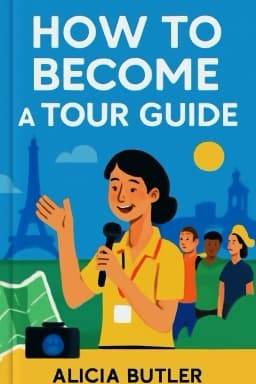
From Zero to Hero: How Anyone Can Become a 5-Star Tour Guide (No Experience Needed!)
Step-by-Step Guide to Breaking Into the Tour Industry and Thriving

So you’ve been bitten by the tour guiding bug, but your resume is empty and your public speaking skills are rusty. Don’t worry—you’re in good company! Many of today’s top guides started with nothing but curiosity and a willingness to learn. Here’s how you can join their ranks.
Step 1: Find Your Niche
Start with what excites you—food, history, architecture, music, or even local legends. The best guides are passionate about their subject, and that passion is contagious. Don’t worry about knowing everything; you’ll learn as you go.
Step 2: Learn the Basics
Research local licensing requirements. Some cities require a simple exam, others none at all. Use official study guides, online flashcards, and connect with local guide communities for support. Remember, you don’t need special schooling—just determination and a love for learning.
Step 3: Practice, Practice, Practice
Start with friends and family. Give a free tour, record yourself, or volunteer at a museum. The more you practice, the more confident you’ll become. Don’t fear mistakes—every stumble is a step towards mastery.
Step 4: Tell Stories, Not Just Facts
Guests remember stories, not dates. Weave facts into narratives, use humor, and engage your audience with questions and props. Bring history to life with photos, music, or even food samples.
Step 5: Nail the Audition
Many companies ask for a sample tour as part of the interview. Treat it as a performance—be energetic, clear, and authentic. Show your personality and connect with your audience.
Step 6: Embrace Feedback
Feedback is your friend. Listen, adapt, and keep improving. The best guides never stop learning—from guests, colleagues, and every new tour.
Step 7: Keep Growing
Once you land your first job, keep building your skills. Try new routes, experiment with different stories, and always look for ways to surprise and delight your guests. Before you know it, you’ll be the guide everyone wants to tour with.
Sources: Alicia Butler’s book, VisitLocalTravel, Checkfront Blog, Holistique Training
Want to explore more insights from this book?
Read the full book summary