
Why Too Many Career Choices Might Be Killing Your Happiness (And How to Fix It)
Discover the hidden trap of endless career options and learn practical ways to reclaim clarity and joy in your professional life.

Imagine standing at a crossroads with thousands of signposts pointing in every imaginable direction. This is the reality for many today, where the freedom to choose a career is both a blessing and a curse. The paradox of choice reveals that when options multiply beyond our capacity to process, choice no longer feels liberating but tyrannizing.
Research has shown that when consumers are presented with overwhelming varieties—like hundreds of biscuit flavors or thousands of career options—they often become unable to decide or regret their choices later. This phenomenon is linked to increased anxiety, dissatisfaction, and even paralysis. Historically, career paths were more constrained by family trades and social class, which, while limiting freedom, spared individuals the mental burden of endless options.
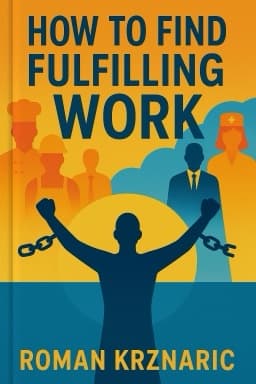
Today, however, we face an unprecedented explosion of possibilities. The challenge is no longer finding a job but deciding which path to pursue. Many feel trapped by the sunk cost fallacy, where years of education and familial expectations create invisible chains holding them to unfulfilling careers.
To break free, it helps to shift from seeking a perfect, fixed answer to embracing a mindset of exploration and experimentation. Trying out small projects, volunteering, or shadowing professionals can provide valuable feedback and reduce fear. Remember, clarity often emerges through action, not just planning.
Moreover, letting go of the myth of a single 'true calling' opens space to acknowledge multiple talents and evolving interests. This fluid approach aligns better with the realities of modern work and personal growth.
Ultimately, by understanding the paradox of choice and adopting practical strategies, you can reclaim your career journey from confusion to clarity, building a fulfilling path that reflects your authentic self.
Want to explore more insights from this book?
Read the full book summary