
Empathy vs. Boundaries: The Art of Loving Without Losing Yourself
How to stay open-hearted without getting overwhelmed by prickly people.

How to stay open-hearted without getting overwhelmed by prickly people.
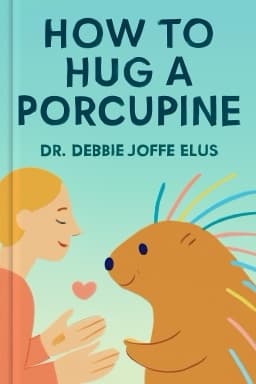
Have you ever wondered how to love someone who seems impossible to please—without losing your own peace? The answer lies in the delicate dance between empathy and boundaries. 'How to Hug a Porcupine' shows us that empathy is the key to connection, but boundaries are what keep us safe. The trick is learning to balance both, especially when dealing with challenging personalities.
The Power of Empathy
Empathy is about being present, listening deeply, and letting the other person know their feelings matter. It’s not about agreeing with every complaint or fixing every problem. Instead, it’s about offering a safe space for vulnerability.
Why Boundaries Are Acts of Love
Setting boundaries isn’t pushing people away—it’s creating the conditions for respect and trust. For example, telling a family member, 'I need some quiet time,' or a coworker, 'Let’s discuss this tomorrow,' protects your energy and models healthy self-care. Boundaries allow you to stay engaged without becoming overwhelmed or resentful. 3
Scripts for Real Life
- 'I hear you’re upset. Let’s talk after we’ve both had a chance to cool down.'
- 'I care about you, but I can’t help when I’m feeling overwhelmed. I’ll check in later.'
- 'I respect your opinion, but I need to do what’s best for me right now.'
Self-Care for the Empathic
Empaths often struggle to set boundaries, fearing they’ll seem unkind. But remember: you can’t pour from an empty cup. Taking care of yourself is what allows you to keep showing up for others, even the prickliest ones.
Conclusion: The Dance of Connection
Balancing empathy and boundaries is an ongoing practice. With each step, you become more skilled at loving others without losing yourself. And that’s the true art of hugging a porcupine.
Want to explore more insights from this book?
Read the full book summary