
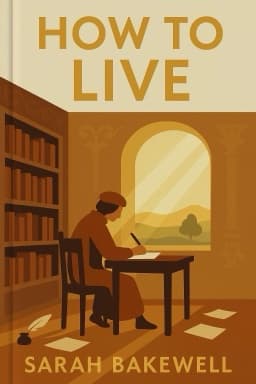
How Montaigne Invented the Modern Essay (and Changed How We Think)
From Renaissance Tower to Global Bestseller: The Birth of the Essay

Before Montaigne, writing was mostly about proving, instructing, or persuading. Then, in a sunlit tower in the French countryside, a new kind of writing was born: the essay. Montaigne called his works 'essais'—attempts, trials, experiments. They were personal, exploratory, and delightfully unpredictable. Instead of presenting polished arguments, Montaigne wandered from topic to topic, following the twists and turns of his own mind.
The Birth of the Essay
Montaigne’s essays broke all the rules. He wrote about himself, his thoughts, his dreams, and his doubts. He quoted ancient philosophers, told stories about peasants and kings, and even confessed his most embarrassing moments. The result? A new literary form that felt alive, honest, and deeply human.
A Voice Across Centuries
Montaigne’s conversational style was revolutionary. He wrote as if speaking to a friend, inviting readers into his world. This intimacy made his essays enduringly popular—and inspired generations of writers, from Shakespeare to Virginia Woolf to today’s bloggers.
Lessons for Modern Writers
For anyone who loves to write, Montaigne is a model of courage and creativity. He teaches us to trust our own voices, to write from experience, and to value questions over answers. His essays remind us that the best writing is not always the most polished, but the most honest.
Montaigne’s invention changed literature forever. Today, the essay is a tool for exploration, connection, and self-discovery—thanks to one man’s willingness to try, to fail, and to share his journey with the world.
Want to explore more insights from this book?
Read the full book summary