
From Vampires to Sonnets: The Surprising Symbols You Never Noticed in Books
Explore the fascinating symbols that breathe life into stories and how to spot them.

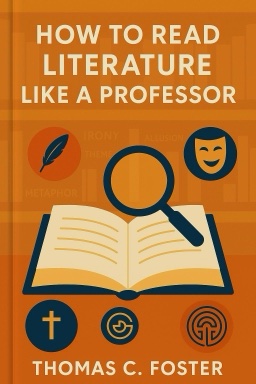
Symbols whisper beneath the surface of every great story, giving depth and resonance to the words on the page. Thomas C. Foster’s How to Read Literature Like a Professor reveals how to listen to these whispers and understand the secret language of literature.
Take the quest, for example. Far from just a journey from point A to B, quests symbolize the protagonist’s inner transformation. The trials faced reflect personal growth, and the stated goal often masks a deeper need for self-knowledge. This pattern repeats across genres and eras, connecting stories in a universal narrative thread.
Meals shared between characters are another rich symbol. These scenes represent communion—acts of bonding that can signal peace, desire, or tension. A simple family dinner might reveal fractured relationships, while a wild feast could symbolize unrestrained passion.
Vampires, too, carry symbolic weight beyond the supernatural. They represent exploitation, selfishness, and emotional draining. Victorian literature used vampires to discuss taboo issues under the cloak of horror, making these creatures metaphors for social and personal dynamics.
The sonnet’s precise form is itself a symbol. Its fourteen lines and rhythmic meter create a compact 'square' that shapes emotional and thematic development. The division between octave and sestet allows poets to explore contrasts and resolutions within a small space, showcasing the power of structure in poetry.
Shakespeare’s influence saturates literature, from common idioms to character archetypes. His works continue to inspire adaptations and reinterpretations, underscoring the timelessness of his themes—love, power, jealousy, and tragedy.
Irony adds another layer of complexity. Through verbal, situational, and dramatic forms, irony challenges readers to look beyond appearances and question deeper truths. It enriches narratives by creating tension and surprise.
Recognizing these symbols and devices transforms reading into an active, rewarding experience. Stories become more than entertainment—they become conversations with history, culture, and human nature.
Want to explore more insights from this book?
Read the full book summary