
The Hidden Power of Irony and Politics in Your Favorite Stories
Learn how irony and societal context deepen stories and challenge readers.

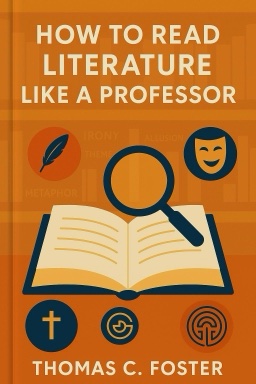
Irony is everywhere in literature. Thomas C. Foster calls it the dominant literary mode of the modern world, and for good reason. Whether it’s a character saying the opposite of what they mean, an unexpected twist of fate, or the audience knowing more than the characters, irony adds depth and complexity to stories. It challenges readers to look beyond the surface and question appearances.
There are three main types of irony: verbal, situational, and dramatic. Verbal irony involves saying one thing and meaning another, often for humor or sarcasm. Situational irony occurs when outcomes differ sharply from expectations, surprising both characters and readers. Dramatic irony happens when the audience knows crucial information that characters do not, creating tension and engagement.
Irony invites readers to actively interpret and engage with the text, making reading a dynamic experience. It highlights contradictions, exposes hypocrisy, and deepens thematic exploration.
At the same time, literature is deeply embedded in social and political contexts. Even stories that seem purely personal or fantastical often reflect power dynamics, cultural values, and historical realities. Authors use their work to critique society, question authority, and explore religious symbolism. Biblical allusions and mythic themes add layers of meaning that connect stories to broader cultural conversations.
Understanding the political and religious dimensions of literature enriches our reading experience. It reminds us that stories are not created in a vacuum but are dialogues with the world around us.
By recognizing irony and context, readers gain a fuller appreciation of literature’s power to entertain, challenge, and inspire.
Want to explore more insights from this book?
Read the full book summary