
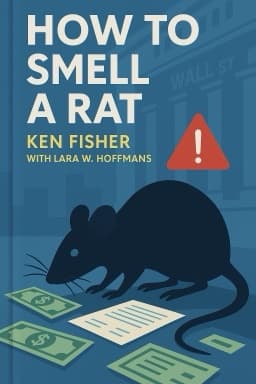
How to Smell a Rat: The 5 Warning Signs Every Investor Must Know to Dodge Financial Scams
Uncover the essential red flags that can save your wealth from being stolen by fraudulent advisers.

Financial fraud is a silent predator. It creeps in disguised as opportunity, dressed in the finery of exclusivity and smooth returns. But beneath the surface, it can devastate your financial future. Ken Fisher’s book, How to Smell a Rat, offers a lifeline by revealing five critical signs that can help you identify and avoid these scams.
1. Custody Separation: The First Line of Defense
Imagine entrusting your treasure to someone who both decides how to invest it and controls the vault where it’s kept. This is a recipe for disaster. The most fundamental rule is to ensure your adviser does not have custody of your assets. Independent, reputable custodians act as a secure fence, preventing fraudsters from accessing your money directly. History has shown us time and again, from the Madoff scandal to other Ponzi schemes, that custody access is the gateway to theft. Always insist on third-party custody to protect your wealth.
2. The Mirage of Perfect Returns
Have you ever seen an investment that boasts steady, high returns without a single down year? That’s a red flag. Real investing includes volatility; losses and bad years are part of the journey. Fraudsters create the illusion of smooth sailing to lull investors into complacency. Remember, if returns seem too consistent to be true, they probably are. Genuine strategies will have ups and downs, and advisers who acknowledge this are more trustworthy.
3. Murky Investment Strategies
Complex jargon and flashy, proprietary-sounding tactics often serve to confuse and intimidate investors. Fraudsters hide behind mumbo jumbo to prevent questions and scrutiny. A good investment strategy should be straightforward and easy to understand. If your adviser cannot clearly explain how your money is managed, it’s a warning sign to proceed cautiously.
4. The Glitter Trap: Exclusivity and Flash
Lavish offices, celebrity endorsements, and claims of exclusivity are often distractions. They appeal to emotions, making investors feel privileged and less likely to question. Affinity frauds exploit social trust within communities, making these tactics especially dangerous. Remember, exclusivity and bling do not improve investment results.
5. Your Best Shield: Due Diligence
Ultimately, protecting yourself requires personal responsibility. Regulators and auditors provide important checks but cannot catch every fraud. Due diligence—actively verifying registrations, understanding fees, questioning advisers, and monitoring investments—is your strongest defense. Don’t rely solely on others to protect your money.
By integrating these five signs into your investment decisions, you build a robust defense against financial fraud. Knowledge is power, and vigilance is your shield. Remember, sometimes the return of your money is more important than the return on your money.
For further reading and detailed examples, consider exploring Ken Fisher’s How to Smell a Rat and trusted financial education resources.
Sources: 1 , 2 , 3 , 4
Want to explore more insights from this book?
Read the full book summary