
The Dark Side of AI: How Bias Creeps Into Your Algorithms and What We Can Do About It
A deep dive into the ethical challenges of AI and the urgent need for inclusive, responsible design.

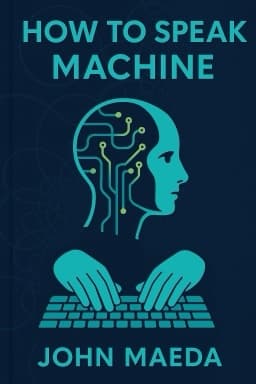
Artificial Intelligence holds incredible promise, but it also carries risks that are often overlooked. John Maeda’s How to Speak Machine confronts the uncomfortable reality that AI systems can perpetuate and even amplify existing social biases. This happens because algorithms learn from data that reflect historical inequalities and prejudices.
Tech industry culture itself can be exclusionary. Hiring practices favoring 'culture fit' often lead to homogeneity, limiting diversity and innovation. Without intentional efforts, these biases seep into product design, affecting who benefits from technology and who is left behind.
Big data alone is insufficient. Quantitative measures miss the human context that 'thick data'—qualitative insights—provides. Ethnography and human stories enrich understanding and help identify blind spots in AI systems.
Open source software offers a path toward transparency and collaboration, breaking down barriers and democratizing technology. Ethical stewardship requires ongoing vigilance, empathy, and inclusive design practices to ensure technology serves all members of society fairly.
Ultimately, the future of AI depends on our willingness to confront these challenges head-on, embedding fairness and social responsibility into the fabric of computational design. Maeda’s insights remind us that technology is shaped by human choices—and with care, it can become a force for equity and justice.
Want to explore more insights from this book?
Read the full book summary