
Why Your Favorite Apps Are Never Finished: The Secret Life of Iterative Design in Tech
Uncover why software is always a work in progress and how emotional connection drives modern product success.

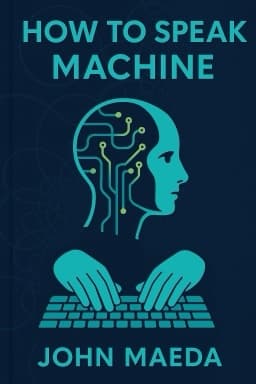
Have you ever wondered why your favorite app keeps changing, adding features, or sometimes removing beloved ones? John Maeda’s How to Speak Machine explains that software is fundamentally different from physical products—it is never truly finished. Instead, it is a living entity, evolving through continuous iteration and user feedback.
The traditional design ideal of timeless perfection gives way to a philosophy of timely iteration. The Minimum Viable Product (MVP) concept focuses on delivering just enough to launch, but Maeda introduces the Minimum Viable Lovable Product (MVLP), which prioritizes emotional connection. In the subscription economy, where users rent experiences rather than own products, lovability becomes essential for retention and growth.
This approach requires close collaboration between designers, engineers, and users. Agile methodologies, rapid prototyping, and continuous deployment are tools that support this iterative process. Yet, managing technical debt—the accumulation of shortcuts and incomplete code—is a constant challenge demanding discipline and foresight.
Emotional design is no longer a luxury but a necessity. Understanding users’ feelings, motivations, and contexts enriches product development and fosters loyalty. The Japanese concept of omotenashi, or deep hospitality, exemplifies this mindset, anticipating and caring for customer needs beyond functionality.
Ultimately, embracing imperfection and iteration unlocks innovation and resilience. Maeda’s insights invite us to rethink what it means to design in a world where change is constant and emotional connection is king.
Want to explore more insights from this book?
Read the full book summary