
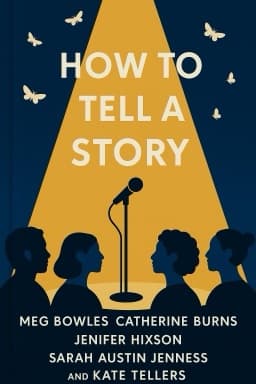
The Science Behind Storytelling: How Stories Sync Our Brains and Build Empathy
Explore groundbreaking research revealing why stories are so powerful for human connection.

Have you ever noticed how a good story can captivate you so fully that you feel as if you’re living it? Neuroscience now reveals that storytelling does more than entertain—it literally aligns our brains, creating a shared experience that fosters empathy and connection.
Neural Coupling: The Brain Sync Phenomenon
When a storyteller speaks with authenticity and engagement, the listener’s brain activity mirrors that of the teller. This process, called neural coupling, means that both brains respond similarly to the story’s language, emotions, and rhythms. It’s why stories can make us feel joy, sadness, or suspense as if we were the ones experiencing them.
Empathy and Emotional Resonance
This brain synchronization is the biological foundation for empathy. As our brains sync, we tune into the storyteller’s perspective, gaining insight into their feelings and experiences. This shared understanding builds trust and social bonds, essential for community and culture.
Storytelling as Social Glue
Humans evolved as social creatures, and storytelling has been a vital tool for transmitting knowledge, values, and identity. The neural coupling effect helps explain why stories have endured across cultures and millennia—they create a shared mental space that unites people.
Practical Implications for Storytellers
Understanding the neuroscience behind storytelling encourages storytellers to prioritize authenticity, emotional honesty, and pacing. Engaging delivery that invites listeners into the narrative enhances brain synchronization and deepens impact.
Conclusion
Stories are not just words; they are a biological bridge between minds. By telling stories with heart and presence, you harness a powerful force that connects, heals, and transforms.
Sources: Neuroscience research on neural coupling and empathy, storytelling science articles, and practical storytelling guides. 1 2 3
Want to explore more insights from this book?
Read the full book summary