
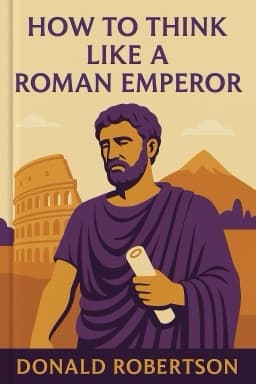
Unlocking the Mind of a Roman Emperor: How Marcus Aurelius’ Stoicism Can Transform Your Life Today
Discover the timeless secrets of Stoicism through the eyes of the philosopher emperor and learn how to apply its powerful insights for resilience, leadership, and inner peace.

Imagine walking the marble halls of ancient Rome alongside a man who wears the weight of an empire on his shoulders, yet remains calm, thoughtful, and deeply wise. Marcus Aurelius, the Philosopher Emperor, is not just a historical figure; he is a beacon of timeless wisdom. His Stoic philosophy teaches us that true power lies not in external circumstances but in mastery over our own minds and actions.
This image captures the intimate setting where Marcus penned his Meditations, revealing his inner struggles and triumphs. Raised with honesty and simplicity, guided by mentors who challenged him to grow, Marcus’s journey from a truthful child to a wise emperor exemplifies the transformative power of Stoicism.
One of the most powerful Stoic insights is the distinction between initial impressions and our judgments about them. Fear, anger, and anxiety begin as automatic reactions, but it is our assent to these impressions that fuels destructive emotions.
Marcus’s leadership was a living example of Stoic principles. His daily meditations prepared him for the challenges of ruling an empire, while his commitment to justice and clemency set a standard for ethical governance. Despite wars, plagues, and personal losses, he remained steadfast, embodying patience and kindness even towards adversaries.
Stoicism also offers profound tools for overcoming fear and anxiety. By premeditating adversity—imagining possible misfortunes—we lessen their emotional impact and build mental fortitude. This practice, combined with viewing death as a natural transformation rather than an end, frees us from paralyzing dread and allows us to live fully in the present.
Anger, often seen as a destructive force, is managed through early recognition of its signs and the cultivation of empathy. Understanding others’ motives transforms hostility into compassion, healing relationships and preserving inner peace.
Finally, Marcus’s reflections on mortality remind us that life is fleeting.
In essence, the Stoic path illuminated by Marcus Aurelius is a guide to living with courage, clarity, and kindness. It invites us to transform our inner lives, face adversity with grace, and lead with integrity. As you explore these teachings, may you find inspiration to cultivate your own strength of mind and heart.
For deeper insights and practical applications, explore the related articles and resources linked below.
Want to explore more insights from this book?
Read the full book summary