
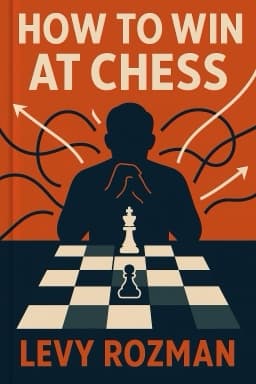
Endgames Demystified: How to Close Out Your Chess Games Like a Pro
Master the art of endgames with techniques that ensure you convert advantages into victories.
The final phase of chess, the endgame, demands precision and deep understanding.
The king opposition is another subtle but powerful tool. When kings face each other with exactly one square in between, the player to move can often force the enemy king to yield ground. This technique is vital in king and pawn endgames, where controlling key squares determines who promotes a pawn first.
Not all endgames are winnable. Recognizing positions where a king and bishop or knight alone cannot force mate saves time and effort. Instead, focus on creating passed pawns and activating your king.
Minor piece endgames require nuanced knowledge. Bishops excel in open positions due to their long-range control, while knights thrive in closed positions with blocked pawns. Understanding these dynamics allows you to tailor your strategy effectively.
By internalizing these endgame principles, you gain confidence to close out games with grace and efficiency, turning small advantages into definitive wins.
Want to explore more insights from this book?
Read the full book summary