
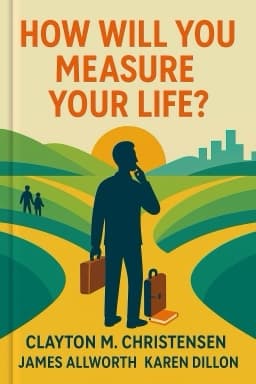
Why Your Five-Year Plan is Probably Wrong: Embracing Serendipity for a Fulfilling Life
How Flexibility and Openness Lead to Life’s Best Opportunities

Have you ever mapped out your career or life in perfect detail, only to find reality had other plans? Clayton Christensen’s 'How Will You Measure Your Life?' shows why the best-laid plans often go awry—and why that’s not just okay, but essential for true fulfillment.
Christensen introduces the idea of emergent strategy. In business, this means companies succeed not by following a rigid plan, but by adapting to new information and opportunities. He cites Honda’s entry into the US market: their original plan failed, but by listening to customers and pivoting, they found unexpected success with small motorcycles. The same is true in our personal lives.
Rather than sticking to a strict five-year plan, Christensen encourages a discovery-driven approach. This means testing your assumptions, trying new things, and being open to changing direction as you learn what works—and what doesn’t. Most people who find deep satisfaction in their careers didn’t follow a straight path; they experimented, learned, and seized opportunities as they appeared.
So, how can you apply this in your own life? Start by identifying your critical assumptions—what must be true for your plan to work? Test these early and often. Don’t be afraid to pivot when you discover something new about yourself or the world. And remember: the most meaningful opportunities often come when you least expect them.
In the end, flexibility and openness aren’t just nice-to-haves—they’re the keys to a life that’s both successful and deeply satisfying.
Want to explore more insights from this book?
Read the full book summary