
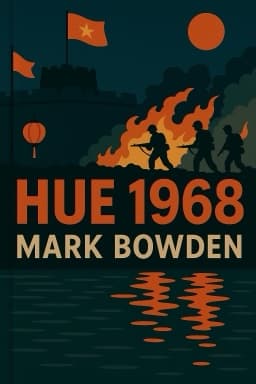
The Battle of Hue: The Shocking Urban War That Changed the Vietnam Conflict Forever
Discover how one city’s brutal battle reshaped perceptions, strategies, and the course of a war.

The city of Hue, steeped in centuries of cultural and historical significance, was once a symbol of peace and tradition in Vietnam. Yet, in early 1968, it became the epicenter of one of the longest and bloodiest battles of the Vietnam War. The Battle of Hue was not just a clash of armies but a collision of history, strategy, and human spirit. For weeks, the ancient city transformed into a brutal battleground where modern warfare met the complex urban environment shaped by age-old architecture and civilian life.
The battle began with months of covert preparations. Local youth, including young girls who appeared as innocent vendors and villagers, played critical roles in intelligence gathering and recruitment. Their dual lives embodied the intricate nature of the conflict, where every street and home could conceal an operative or a weapon cache. Hidden bunkers beneath homes and smuggled arms disguised as everyday goods underscored the ingenuity and resolve of the insurgents.
Then came the shock of the Tet Offensive, a surprise attack launched during the Lunar New Year holiday, traditionally a time of ceasefire. Nearly ten thousand Viet Cong and North Vietnamese troops overwhelmed the city’s defenses, capturing most of Hue within hours. The timing exploited the defenders’ lowered guard, rapidly turning the city into a battlefield of intense urban combat. The ancient Citadel’s gates, once thought impregnable, were breached, signaling a dramatic shift in the war’s trajectory.
American and South Vietnamese forces scrambled to respond, but denial and misjudgment clouded leadership decisions. Inflated enemy body counts and optimistic reports masked the reality of a strategic setback, deepening the credibility gap between official statements and the grim truths on the ground. Journalists’ reports and growing public skepticism fueled a burgeoning antiwar movement back in the United States, marking Hue as a turning point in public perception.
The counterattacks to retake Hue were marked by fierce, costly battles in the city’s southern triangle and the La Chu base, where underestimations of enemy strength led to heavy casualties. Urban warfare posed unique challenges—narrow streets, booby traps, and the presence of civilians complicated operations and slowed progress. The use of flamethrowers, tanks, and artillery became necessary but also contributed to the city’s devastation.
The siege of the Citadel, Hue’s historic fortress, was the battle’s climax. Its thick walls and complex layout turned the fight into a grueling siege requiring specialized tactics and weapons. The struggle here symbolized the clash between ancient history and modern warfare, with soldiers enduring close-quarters combat amidst ruins that had witnessed centuries of Vietnamese history.
When the battle ended, the physical and psychological scars were immense. Thousands of civilians were killed or displaced, neighborhoods lay in ruins, and the American public’s faith in the war effort was deeply shaken. Hue became a symbol of the war’s futility and human cost, influencing political decisions and fueling antiwar sentiment.
Yet, amidst destruction, stories of resilience, leadership, and humanity emerged. Commanders grappled with complex pressures, soldiers showed compassion, and civilians endured. The cultural heritage of Hue persisted, offering hope and continuity amid chaos.
Today, memorials and ceremonies in Hue honor those who fought and suffered, preserving the memory of a battle that forever changed Vietnam and the world. The lessons of Hue—about urban warfare, leadership, and human endurance—continue to resonate, reminding us of the profound costs of conflict and the enduring quest for peace.
Explore this pivotal chapter in history to understand how a single city’s struggle can echo through time, shaping perceptions and inspiring reflection.
Sources: West Point Urban Warfare Project, Wikipedia, Military.com, Warfare History Network
Want to explore more insights from this book?
Read the full book summary