
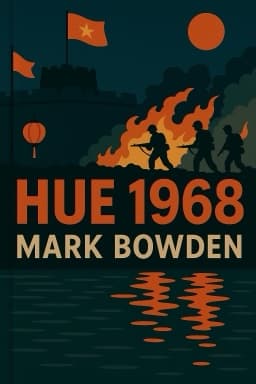
Urban Combat Unveiled: The Brutal Reality of Fighting in Hue’s Streets
Explore the tactical nightmare and human cost of close-quarters battle in one of history’s fiercest urban fights.

Urban warfare presents unique tactical challenges, and the Battle of Hue serves as a stark example of these difficulties. The city’s narrow streets, dense neighborhoods, and historic architecture created a labyrinthine battlefield where conventional military advantages were often negated. Soldiers faced constant threats from hidden snipers, booby traps, and fortified enemy positions within homes and public buildings.
The assault on the La Chu base exemplified the dangers of underestimating the enemy in such an environment. Poor planning and intelligence led to heavy casualties and a forced retreat, underscoring the need for specialized tactics and caution. As the battle progressed, American and South Vietnamese forces adapted, employing flamethrowers and tanks to flush out entrenched fighters, though these weapons also contributed to the destruction of the city’s cultural heritage.
House-to-house combat was slow and exhausting. Each building cleared was a small victory, but progress was measured in yards rather than miles. The presence of civilians complicated operations, requiring soldiers to balance aggression with caution to avoid unnecessary casualties. Medical personnel worked tirelessly to evacuate and treat the wounded amidst ongoing firefights.
The siege of the Citadel, Hue’s historic fortress, was the battle’s climax and a tactical nightmare. Thick stone walls and complex fortifications forced attackers into grueling close-quarters combat, where every step forward was contested fiercely. The use of flamethrowers and tanks was critical in breaching defenses, but the cost in lives and heritage was high.
Psychologically, urban combat exacted a heavy toll. Soldiers endured constant stress, fatigue, and the horrors of fighting in a city filled with destruction and death. Yet, amidst this chaos, moments of camaraderie, resilience, and humanity emerged, reminding us of the enduring spirit of those who fought.
The Battle of Hue teaches invaluable lessons about urban warfare’s complexity, the importance of intelligence and planning, and the balance between military necessity and humanitarian considerations. It remains a crucial reference for military strategists and historians alike.
Sources: West Point Urban Warfare Project, Military.com, Warfare History Network
Want to explore more insights from this book?
Read the full book summary