
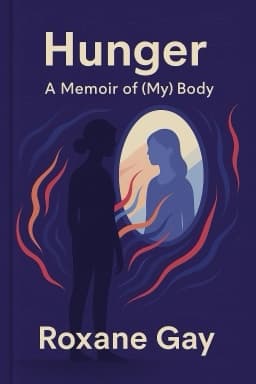
5 Brutal Truths About Trauma and Healing in ‘Hunger’ (You Need to Know!)
How Roxane Gay’s Memoir Shatters Myths About Recovery

How Roxane Gay’s Memoir Shatters Myths About Recovery
Roxane Gay’s ‘Hunger’ is a gut-wrenching account of trauma, survival, and the relentless search for healing. The memoir opens with the event that split her life in two: a violent assault that left her feeling broken, ashamed, and alone. Gay’s honesty about the long shadow of trauma is rare and necessary. She writes about the silence she kept for decades, the fear of rejection, and the guilt that haunted her. Her story makes it clear: trauma does not simply fade with time. It lingers, shaping choices, relationships, and even the body itself.
One of the memoir’s most important truths is that healing is not linear. Gay describes setbacks and breakthroughs, moments of hope and despair, and the constant work of self-forgiveness. She rejects the idea that survivors must always claim the label ‘survivor’—sometimes, ‘victim’ feels more honest, more true to the gravity of what was lost. This nuanced approach to language is powerful, reminding us that recovery is not about labels, but about honoring our own journeys.
Writing becomes Gay’s salvation. Through dark stories and memoir, she processes her pain and finds a voice when she cannot speak her truth aloud. The act of writing is therapeutic, a way to reclaim agency and connect with others who have suffered. Gay’s words are a lifeline to anyone who has felt alone in their pain.
Community, too, plays a role in healing. Gay finds moments of connection in family traditions, friendships, and the support of readers who see themselves in her story. Yet, she is honest about the loneliness that often accompanies trauma, and the patience required to rebuild trust.
Ultimately, ‘Hunger’ is about the courage to keep going, even when healing feels impossible. Gay’s story is a beacon for anyone struggling to make sense of their own wounds, and a call to offer compassion to ourselves and others. 2 3
Want to explore more insights from this book?
Read the full book summary