
Why Roxane Gay’s ‘Hunger’ Will Change the Way You See Every Body
Unmasking the Truths We Carry in Our Skin

Unmasking the Truths We Carry in Our Skin
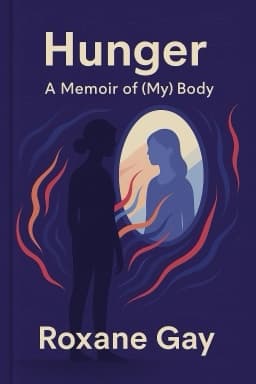
Roxane Gay’s ‘Hunger’ is a memoir that refuses to flinch. From the first page, Gay invites us into a world where the body is not just a vessel, but a battleground—one marked by trauma, resilience, and the endless negotiation with a society obsessed with thinness. Her writing is unfiltered and confessional, drawing readers into the lived reality of being ‘super morbidly obese’ in a world that is both fascinated and repulsed by large bodies. Gay’s story is not a journey from fat to thin, nor is it a tale of redemption. Instead, it is a chronicle of survival, of learning to live in a body that has been both a fortress and a prison.
At the heart of ‘Hunger’ is the author’s childhood trauma—a sexual assault that shattered her sense of safety and self-worth. In the aftermath, Gay found solace and protection in food, intentionally building her body into a shield against further harm. The memoir details the paradox of hunger: it is a longing for safety, for love, for invisibility, even as it makes her more visible to a judgmental world. Gay’s candor about her eating, her pain, and her isolation is both heartbreaking and deeply affirming for anyone who has ever struggled with their body or felt out of place in their own skin.
One of the most powerful aspects of ‘Hunger’ is Gay’s critique of fatphobia—not just as a personal prejudice, but as a systemic force woven into healthcare, media, and daily life. She recounts the humiliation of navigating public spaces designed for smaller bodies, the sting of medical professionals who see only her weight, and the constant barrage of unsolicited advice and judgment. Gay exposes the cruelty of a culture that equates thinness with virtue and fatness with failure, reminding us that these attitudes are not just hurtful—they are dangerous.
Yet, Gay’s memoir is not without hope. She finds moments of connection and comfort in family rituals, in the Haitian-American traditions of her childhood, and in the small acts of kindness from friends and strangers. Writing becomes her lifeline—a way to process pain, reclaim her story, and reach others who feel unseen. In sharing her truth, Gay offers a model of radical honesty and self-compassion, challenging readers to reconsider their own assumptions about bodies, hunger, and healing.
‘Hunger’ is ultimately about the lifelong work of self-acceptance. Gay does not offer easy answers or tidy resolutions. Instead, she leaves us with the understanding that healing is ongoing, nonlinear, and often lonely—but that it is possible. Her story is a reminder that every body has a history, and every person deserves dignity and understanding. If you read one memoir this year, let it be ‘Hunger’—because it will change the way you see every body, including your own. 1 2 3
Want to explore more insights from this book?
Read the full book summary