
The Creative Power of Scatterfocus: Why Daydreaming Is Your Secret Weapon
How intentional mind-wandering leads to breakthroughs and better planning

How intentional mind-wandering leads to breakthroughs and better planning
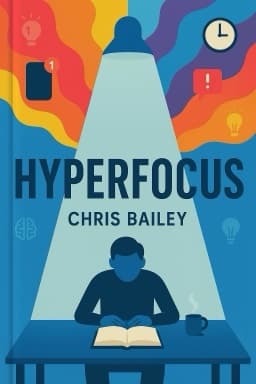
What if your best ideas come not when you’re grinding away at your desk, but when you’re walking in the park, showering, or staring out the window? Chris Bailey’s Hyperfocus introduces the concept of scatterfocus: a state of intentional mind-wandering that fuels creativity, insight, and long-term planning.
Unlike distraction, scatterfocus is purposeful. It happens when you give your mind permission to roam—during a walk, a break, or a mundane task. Neuroscience shows that during these moments, your brain connects ideas, solves problems in the background, and plans for the future. This is the 'incubation effect': stepping away from a problem allows your subconscious to work on it, often resulting in sudden breakthroughs.
Bailey recommends scheduling time for scatterfocus, embracing boredom, and keeping a notebook handy to capture ideas as they arise. Use routines like walks, showers, or even doodling to trigger this creative mode. The key is to balance periods of hyperfocus with moments of mental freedom, trusting that both are essential for productivity and innovation.
Scatterfocus isn’t just for artists or inventors—it’s for anyone who wants to think more clearly, plan more effectively, and solve problems with less stress. By integrating scatterfocus into your daily routine, you can unlock your brain’s hidden creative power and navigate challenges with fresh insight.
Want to explore more insights from this book?
Read the full book summary